
- Home
DPM Ibrahimović: By preserving civic and European ...
DPM Ibrahimović: By preserving civic and European Montenegro, we preserve Its essence

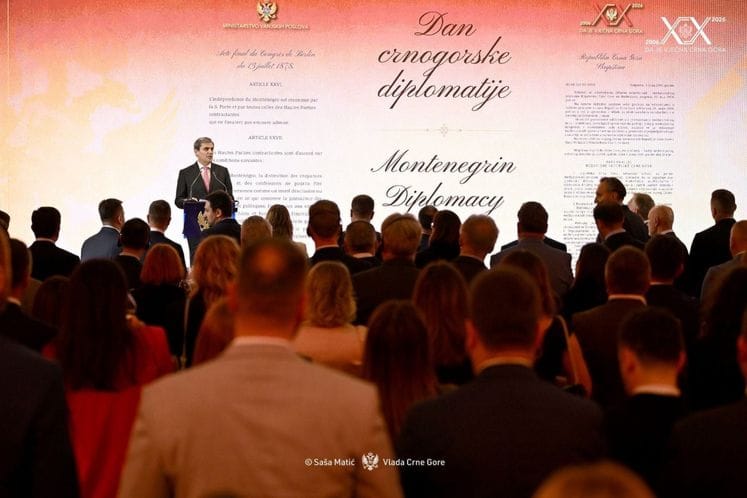
Deputy Prime Minister and Minister of Foreign Affairs Ervin Ibrahimović hosted a formal reception in Podgorica on the occasion of marking the Montenegrin Diplomacy Day. The reception was attended by representatives of the executive and legislative branches, former speakers of the Parliament and prime ministers, former foreign ministers, as well as members of the diplomatic corps.
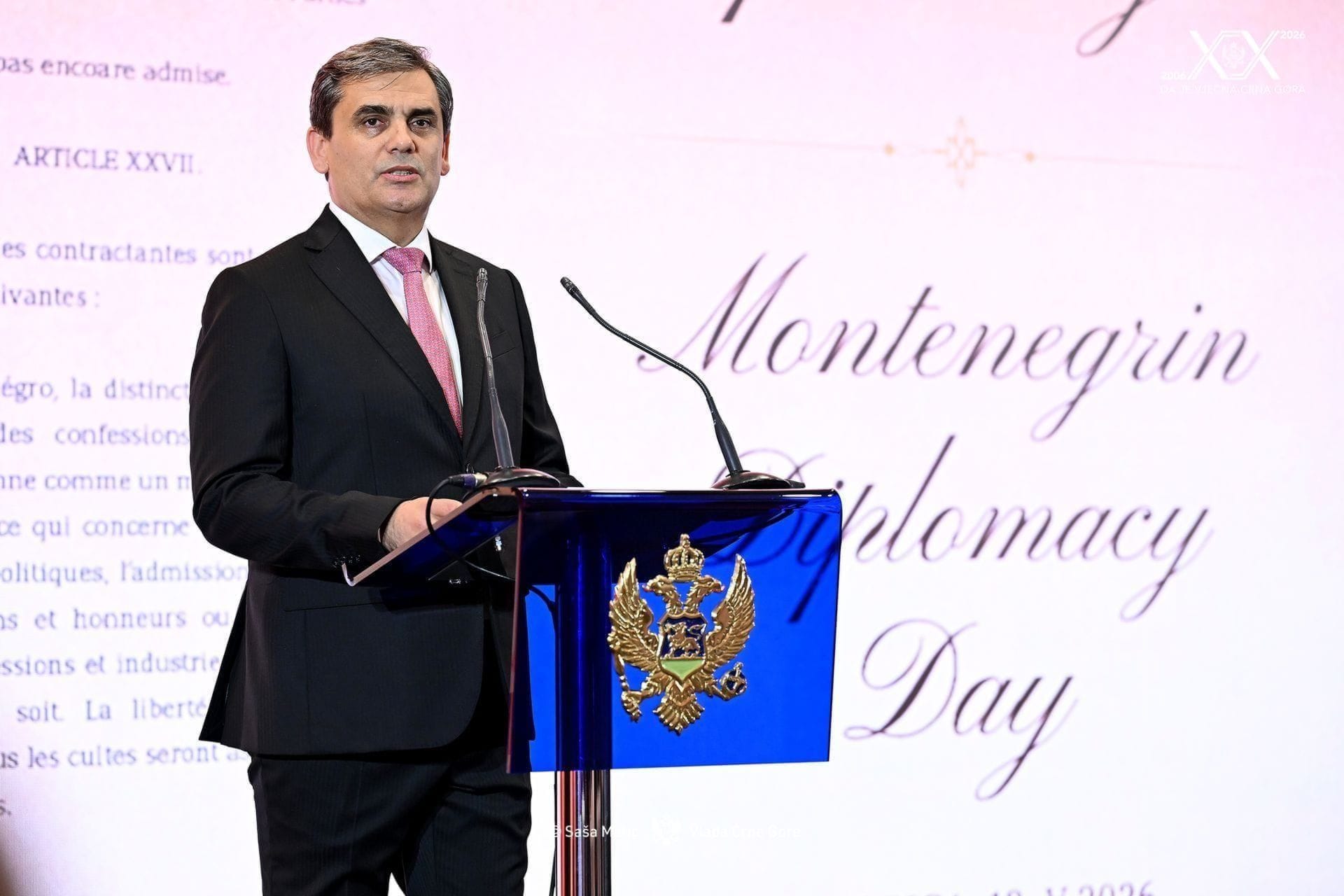
In his address, Minister Ibrahimović pointed out that this year’s celebration of the Diplomacy Day carries special significance as it comes ahead of the major jubilee marking 20 years since the restoration of Montenegro’s independence. He recalled that the day was established in 2024, on the occasion of the 150th anniversary of the founding of the Principality’s Office for Foreign Affairs, which laid the foundations of modern Montenegrin diplomacy.
“Montenegrin diplomacy did not begin in 2006. It emerged much earlier — in difficult and historically decisive times of struggle for international recognition, the preservation of state dignity and Montenegro’s right to independently determine its own destiny. From Gavro Vuković to contemporary generations of our diplomats, the same idea has endured: that Montenegro, regardless of its size, should pursue a policy based on freedom, dignity, dialogue and equality among nations,” Ibrahimović stated.
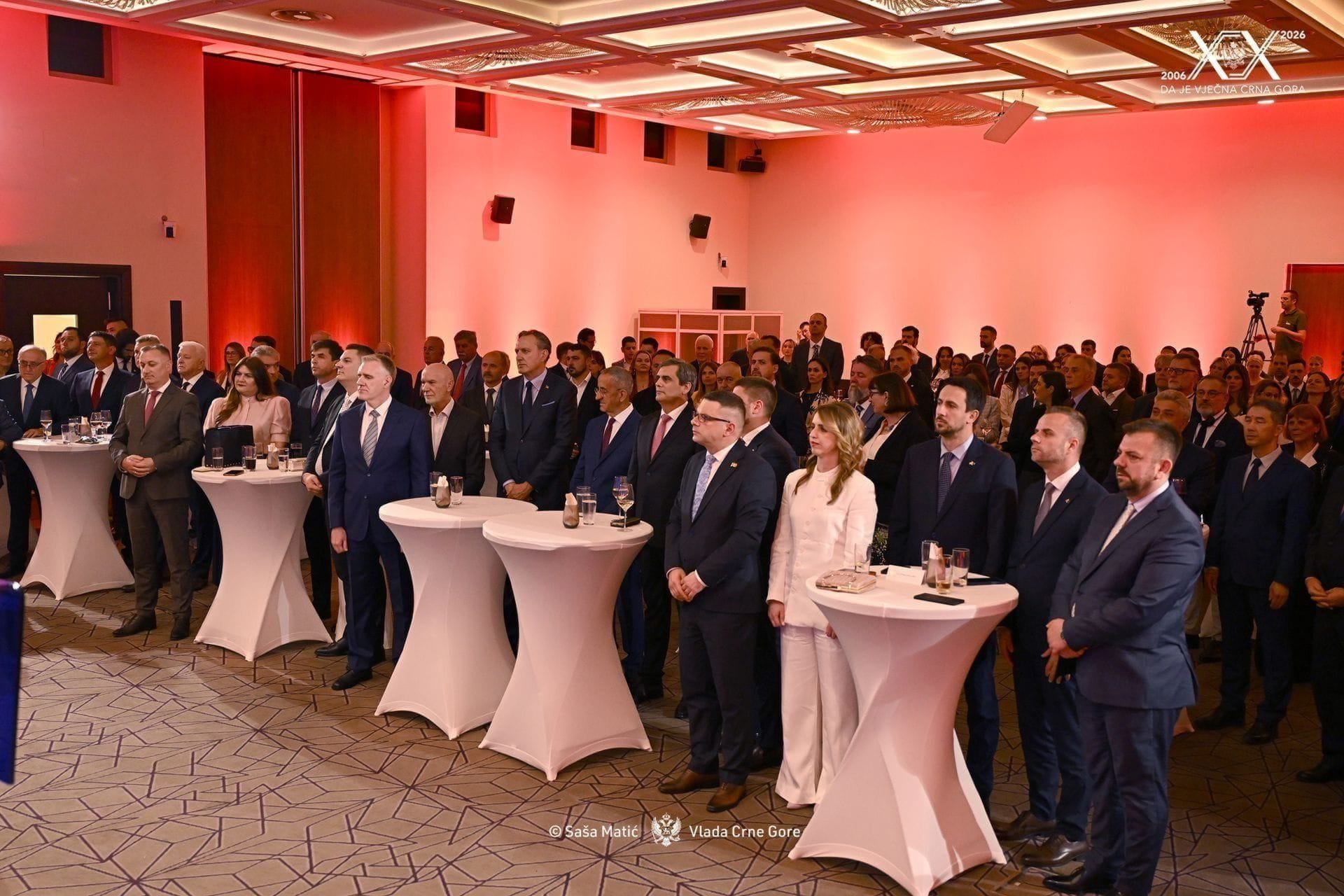
He added that foreign policy is precisely the area in which Montenegro has, over the past two decades, most clearly demonstrated its statesmanship and unwavering consistency. He stressed that the success of diplomacy and the country’s ability to exceed expectations are a direct result of the work of employees in the foreign service, to whom he expressed his deepest respect.
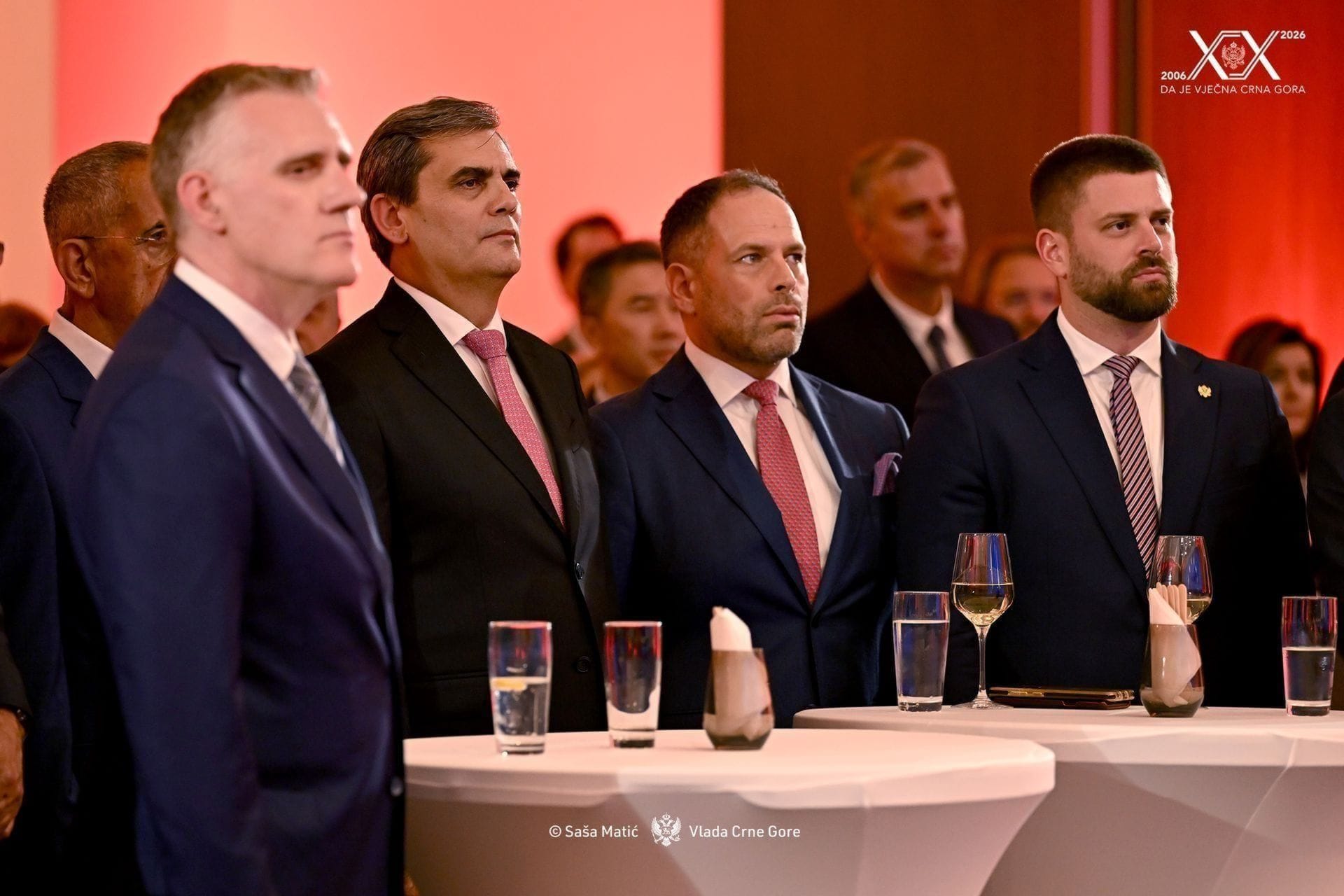
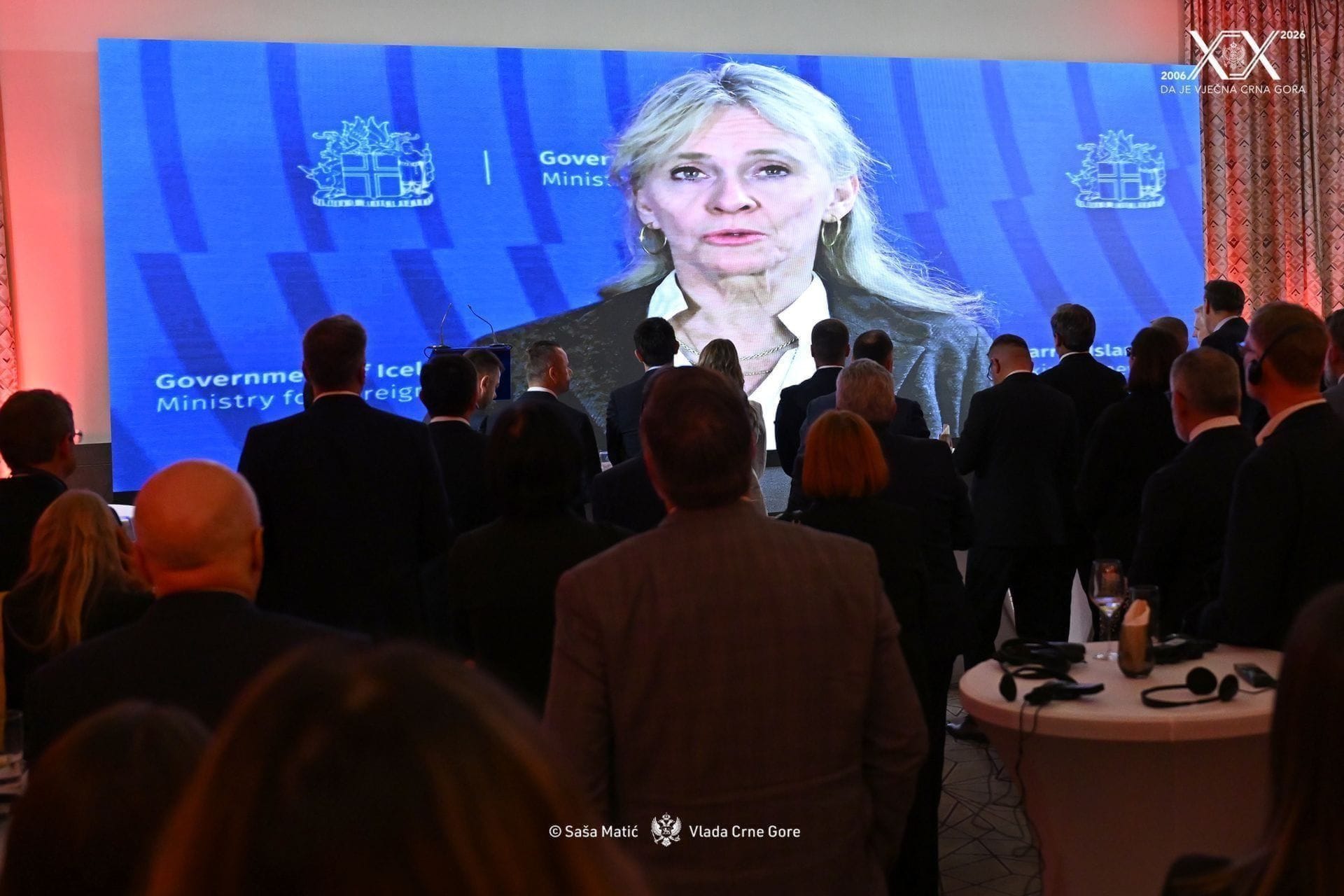
The head of Montenegro’s diplomacy highlighted that their dedication, professionalism, and unwavering belief in the European and Euro-Atlantic path are the foundations upon which Montenegro’s current international reputation rests. He also recalled the key moments that paved the way toward the restoration of independence, particularly pointing to the symbolism of Iceland being the first country to recognise Montenegro’s independence and, a decade later, the first to ratify the Protocol on Montenegro’s accession to NATO.
He noted that the obtaining the IBAR and the launch of the Working Group for the Accession Treaty represent clear confirmation that Montenegro’s European future is attainable and realistic, while NATO membership in 2017 permanently defined the country’s belonging to the community of democratic states that share the same values, responsibility and vision of a secure and stable Europe.
In that regard, he also referred to today’s visit by Secretary General Mark Rutte, describing it as yet another recognition of the credibility and reputation Montenegro enjoys within the NATO Alliance.
“I believe that anyone who abandons this kind of Montenegro — civic, anti-fascist and European — abandons the very essence of Montenegro itself. That is why today we best preserve our country by preserving its civic character, interethnic harmony, anti-fascist values, democracy and the rule of law. Montenegro, founded on these values, can build a society based on human dignity and a secure European future,” he emphasised.
Ibrahimović also expressed gratitude to the large Montenegrin diaspora, which for decades has represented an important bridge of friendship and connection between Montenegro and the world, while paying tribute to deceased colleagues whose work permanently contributed to the country’s international affirmation.
At the end of the ceremony, he especially greeted the recipients of jubilee awards, retired colleagues and young people just entering the diplomatic service. He concluded that Montenegro continues to stand proudly where it historically and value-wise belongs — within the community of European democracies.