
- Home
DPM Ivanović's interview with Die Presse: European...
DPM Ivanović's interview with Die Presse: European integration process is our priority

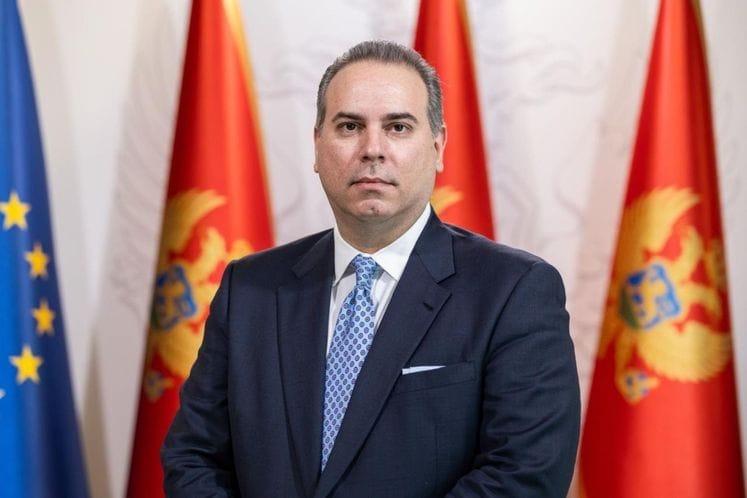
During an interview with the reputable Austrian Die Presse, Deputy Prime Minister of Montenegro for Foreign and European Affairs Filip Ivanović spoke about Montenegro’s progress on its path toward the European Union, successful implementation of reforms and geopolitical challenges in the region. Ivanović emphasised that the current government is achieving concrete results in the European integration process and that EU membership is the country’s key priority.
In two years and four months since the Government was formed, we have closed almost half of the negotiating chapters. We received a positive report from Brussels, especially in the areas of rule of law and the fight against organiSed crime, Ivanović said.
He highlighted that important decisions have been adopted in the Parliament, particularly in the field of the judiciary, which require a two-thirds majority—demonstrating, as he noted, broad commitment to European integration.
Speaking about political differences within the Government, Ivanović noted that it consists of parties with different ideologies, but that there is full unity when it comes to EU membership.
When it comes to the EU path, we act in unity and unanimously, he stated.
Referring to Russian influence, DPM Ivanović said that it is present everywhere to a greater or lesser extent, but that in Montenegro’s case there are no results indicating its success.
If we look at the results of our Government, I would say that these attempts of the Russian influence—if they existed at all—had failed, he pointed out.
Ivanović assessed that the influence of other actors grows where the presence of the European Union is weaker.
The weaker the EU is, the stronger other actors, such as Russia, become. The less presence the EU has in the Western Balkans, the greater the influence of other countries is. The EU needs a strong presence in the Balkans—that is in everyone’s interest, he said.
He added that “geography is destiny” and that it is natural for Montenegro and the countries of the region to become part of the European Union.
Speaking about the enlargement process, Ivanović stressed that it had previously slowed down, but has since been reactivated.
If we want a secure Europe and Europe that is a geostrategic actor, enlargement is a central instrument for that, the Deputy Prime Minister stated.
According to DPM Ivanović, there is an agreement with the European Commission that, if Montenegro continues on the same path, the completion of negotiations by the end of 2026 is practically certain, after which the ratification of the accession treaty would follow—meaning that Montenegro could become a member of the European Union by 2028, under the motto: the 28th member in 2028.
The full interview in the German language is available here.