
- Home
Ivanović meets representatives of leading European...
Ivanović meets representatives of leading European think tanks to discuss conclusion of Montenegro’s EU accession negotiations

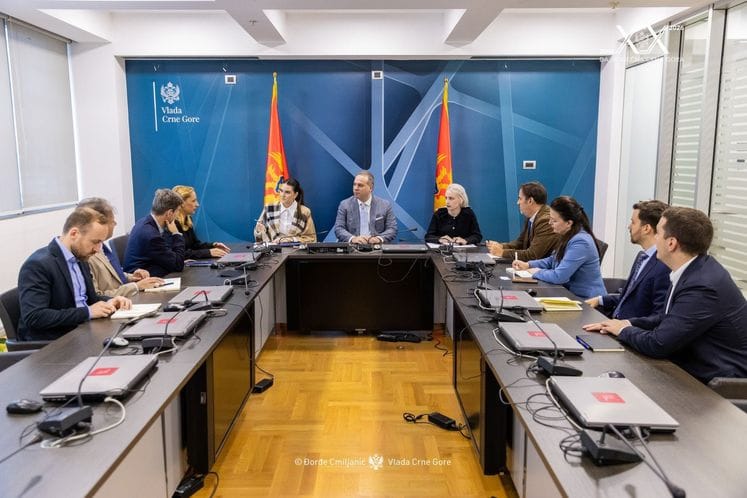
Deputy Prime Minister for Foreign and European Affairs Filip Ivanović met today with representatives of three prominent European organisations specialising in public policy research and analysis – the German Council on Foreign Relations (DGAP) from Berlin, the Clingendael Institute from The Hague, and Carnegie Europe from Brussels.
The meeting focused on Montenegro’s progress towards European Union membership, the current dynamics of the accession negotiations, and key reforms that need to be implemented to ensure their successful conclusion.
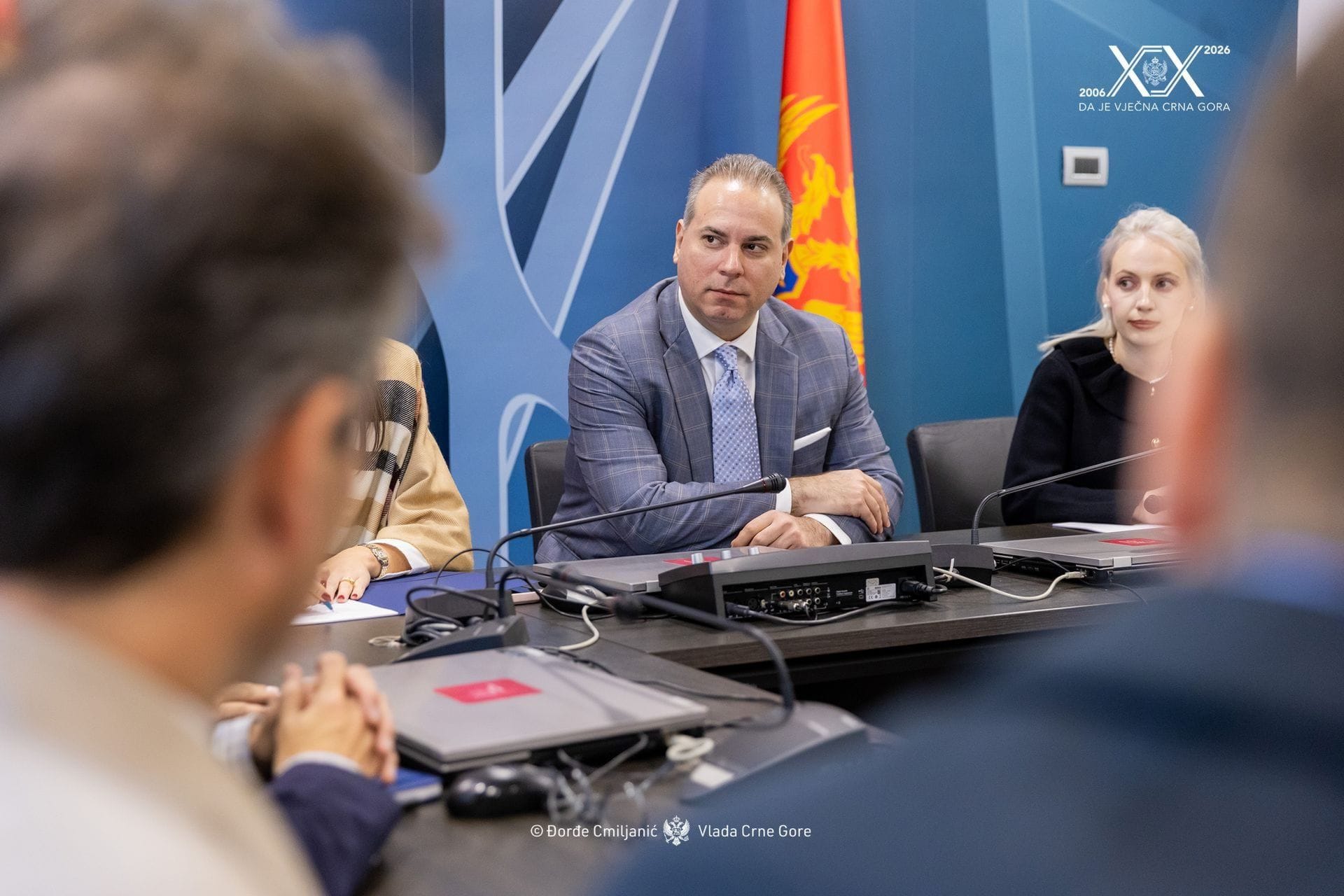
Deputy Prime Minister Ivanović presented the Government’s priorities in the European integration process, stressing that EU membership remains Montenegro’s strategic priority and an objective enjoying broad societal consensus. He particularly emphasised the importance of continuing reforms in the areas of the rule of law, strengthening institutions, aligning with the EU acquis, and fulfilling the remaining obligations under the negotiating chapters.
The interlocutors exchanged views on opportunities to further accelerate the accession negotiations, as well as on the importance of support from European partners to Montenegro in the final stage of the accession process. Deputy Prime Minister Ivanović underlined that Montenegro values the expertise and support of relevant European institutions, think tanks and organisations whose work contributes to a better understanding of the enlargement process and promotes the European perspective of the Western Balkans.
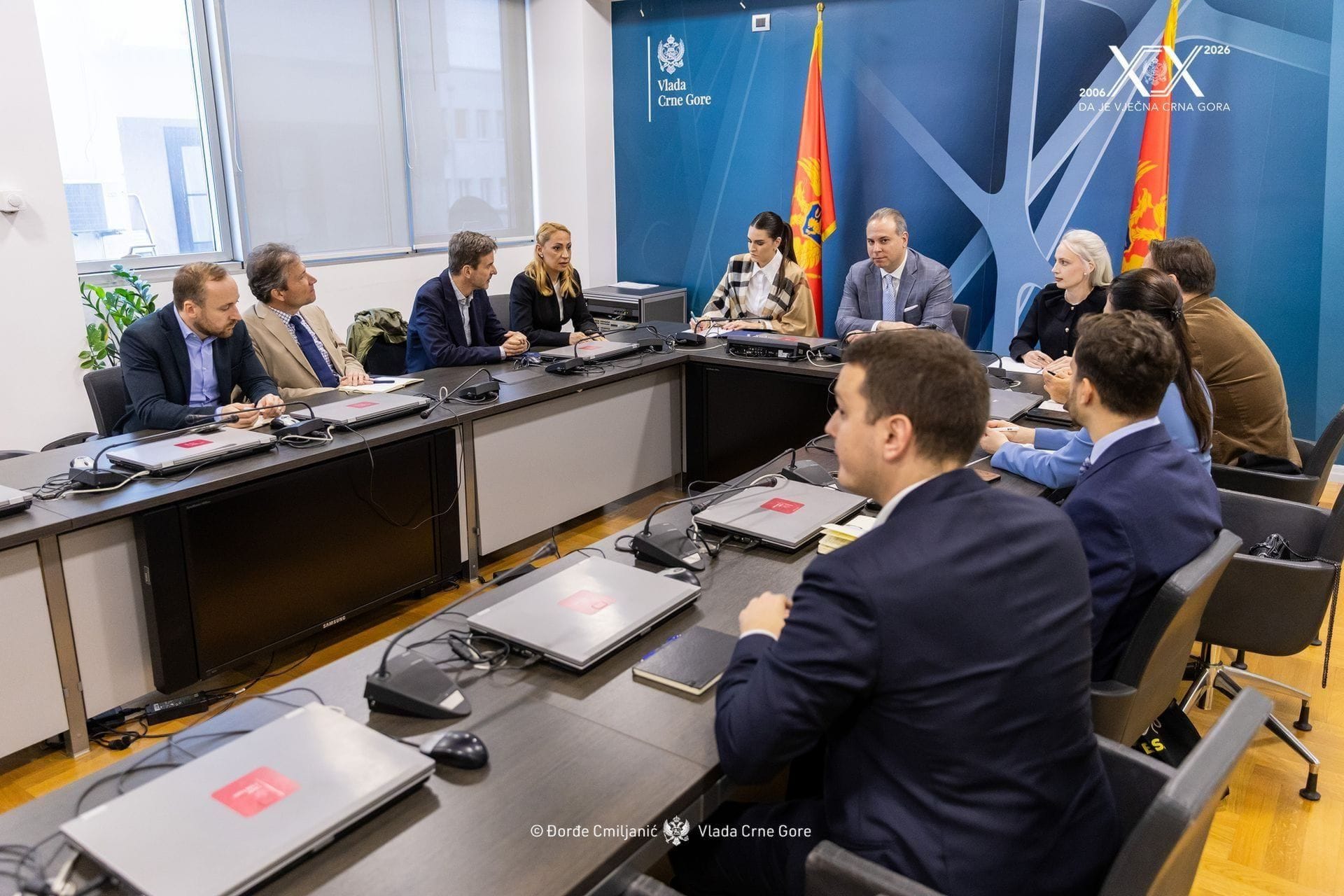
Representatives of the German Council on Foreign Relations in Berlin, the Clingendael Institute and Carnegie Europe briefed the Deputy Prime Minister on the objectives of their visit to Montenegro and activities aimed at assessing the country’s current situation and readiness to implement the remaining reforms. They underlined their intention to contribute to Montenegro’s European integration process through discussions with key decision-makers and other relevant stakeholders, while providing further support to Montenegro’s efforts at the EU level.
It was jointly assessed that Montenegro has a realistic opportunity to successfully conclude its accession negotiations, provided that it maintains strong reform momentum, demonstrates political commitment, and continues to receive the support of its European partners.