
- Home
National Anti-Corruption Council: State to pursue ...
National Anti-Corruption Council: State to pursue prosecution in Telekom case

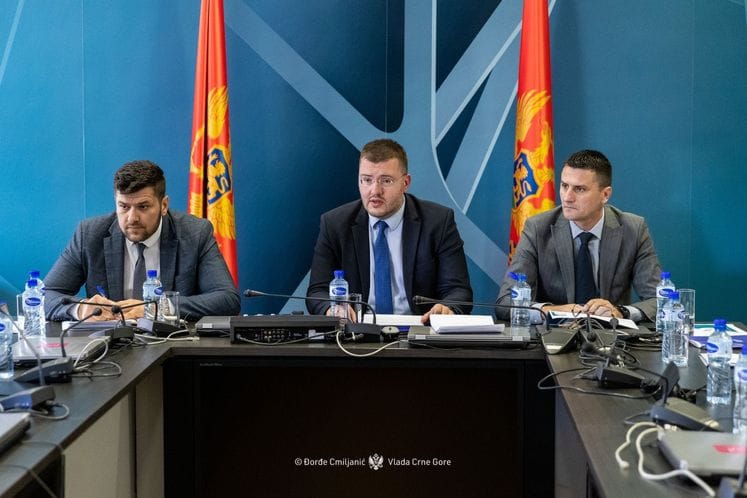
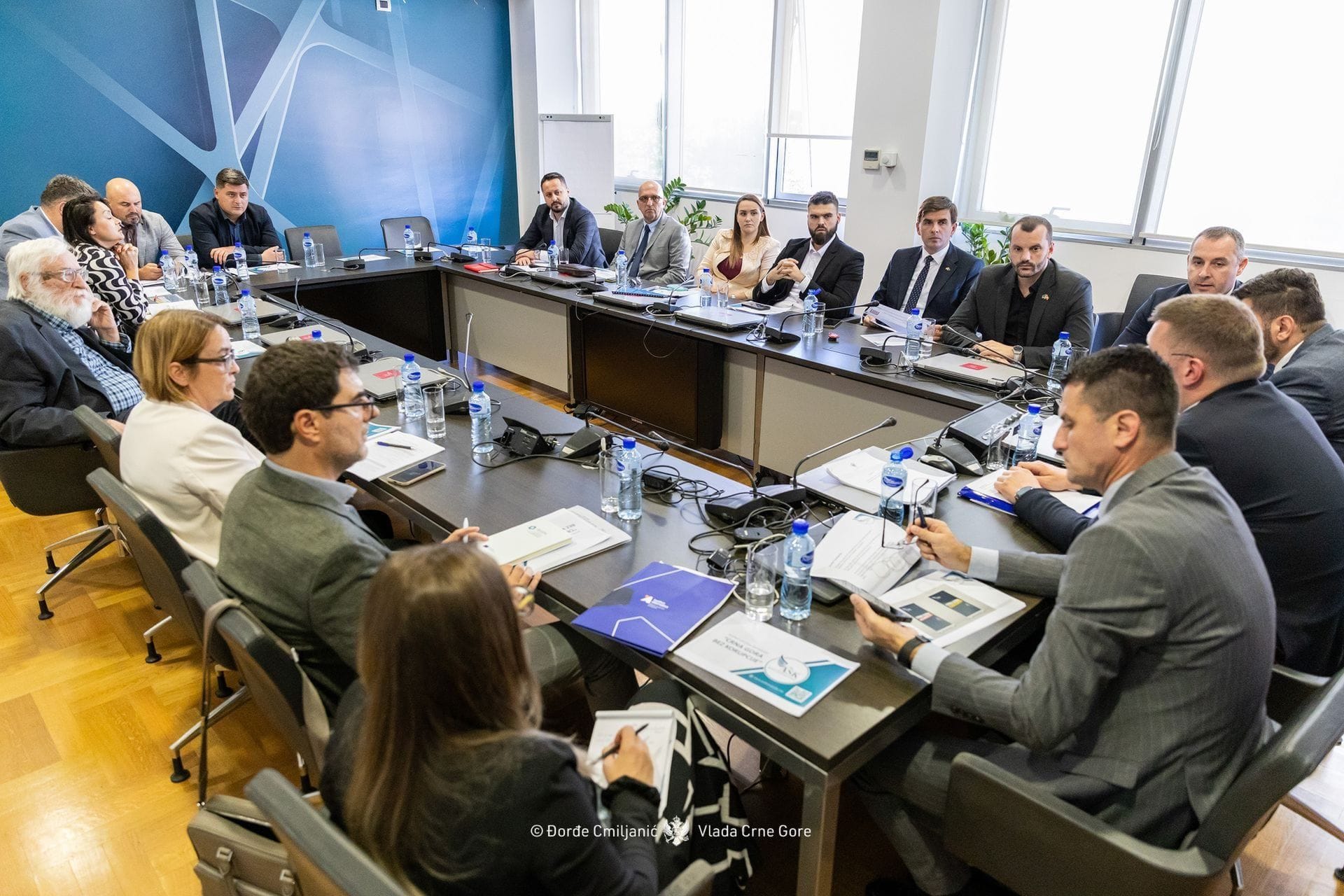
In the latest development regarding the “Telekom” case, following the dismissal of the criminal complaint due to the statute of limitations, the National Anti-Corruption Council, chaired by its President Momo Koprivica, convened a thematic session to examine the case in depth. The Council adopted a firm position that the state must neither step back nor relinquish its responsibility in a case where its interests have been compromised through various abuses. Although the previous prosecutor, under the influence of the Đukanović regime, deliberately delayed and remained passive, the state will not allow justice to be buried.
Accordingly, the Council unanimously adopted a set of conclusions. First, the National Anti-Corruption Council resolved that all legal actions must be undertaken to protect the interests of the State, as the injured party, and to safeguard state property in the “Telekom” case.
Second, the Council recommends that the Government of Montenegro adopt a conclusion instructing the Protector of Property and Legal Interests of Montenegro, within its mandate, to defend the interests of the State as the injured party and to continue prosecution as a subsidiary prosecutor, in accordance with the Criminal Procedure Code, before the competent court.
Third, the Council welcomed the initiative of the Chief Special Prosecutor to initiate proceedings to establish the disciplinary responsibility of the prosecutor who handled the “Telekom” case, while fully respecting and preserving the independence of the competent body tasked with deciding on disciplinary responsibility.
Fourth, the Council expressed its full support to the Ministry of Justice in developing solutions related to the integrity checks of holders of judicial office, with the aim of enhancing the quality of judicial work.
Through this approach, grounded in the public interest, the state – represented by the Government – would assume prosecution as a subsidiary prosecutor, making use of the right provided under Article 59 of the Criminal Procedure Code. This means that the injured party (in this case the state and its citizens) may assume prosecution to ensure accountability for all illegal actions.
The law is clear and the message must be equally clear: regardless of abuses, political connections, and obstructions during the previous government, the state and the new democratic authorities will not abandon the pursuit of justice and the protection of the public interest.
The Council stressed unequivocally that there is no responsibility on the part of the current Supreme State Prosecutor or the Chief Special Prosecutor in the handling of the “Telekom” case, as the targeted passivity of the case prosecutor occurred before they took office. It emphasized instead the significant contribution of the Supreme State Prosecutor and the reformed Special State Prosecutor’s Office in the fight against organized crime and corruption. The Council also acknowledged the positive role of the Protector of Property and Legal Interests of Montenegro, noting the need for further strengthening its institutional capacity.
Beyond the “Telekom” case, the Council also analyzed the Action Plan for the implementation of GRECO recommendations, assigning specific tasks to competent authorities in order to accelerate and ensure comprehensive implementation. Additionally, the Council endorsed the design and launch of the national anti-corruption campaign aimed at raising awareness of the harmful effects of corruption and creating effective and reliable channels for reporting it.