
- Home
Seventh ministerial meeting on Roma integration he...
Seventh ministerial meeting on Roma integration held within Berlin Process

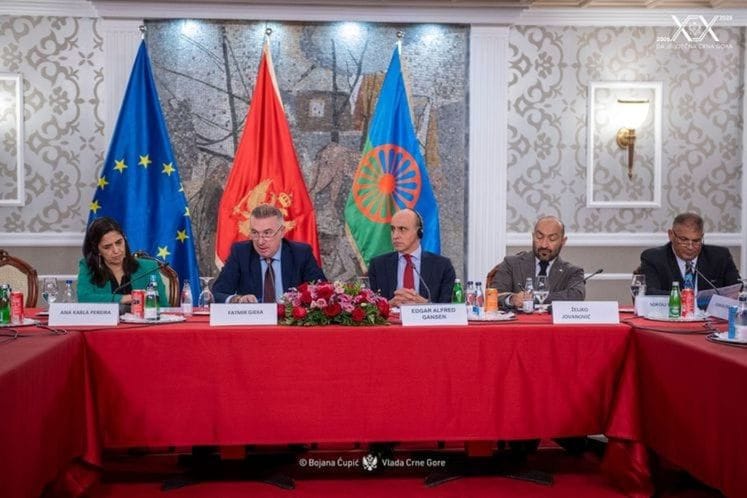
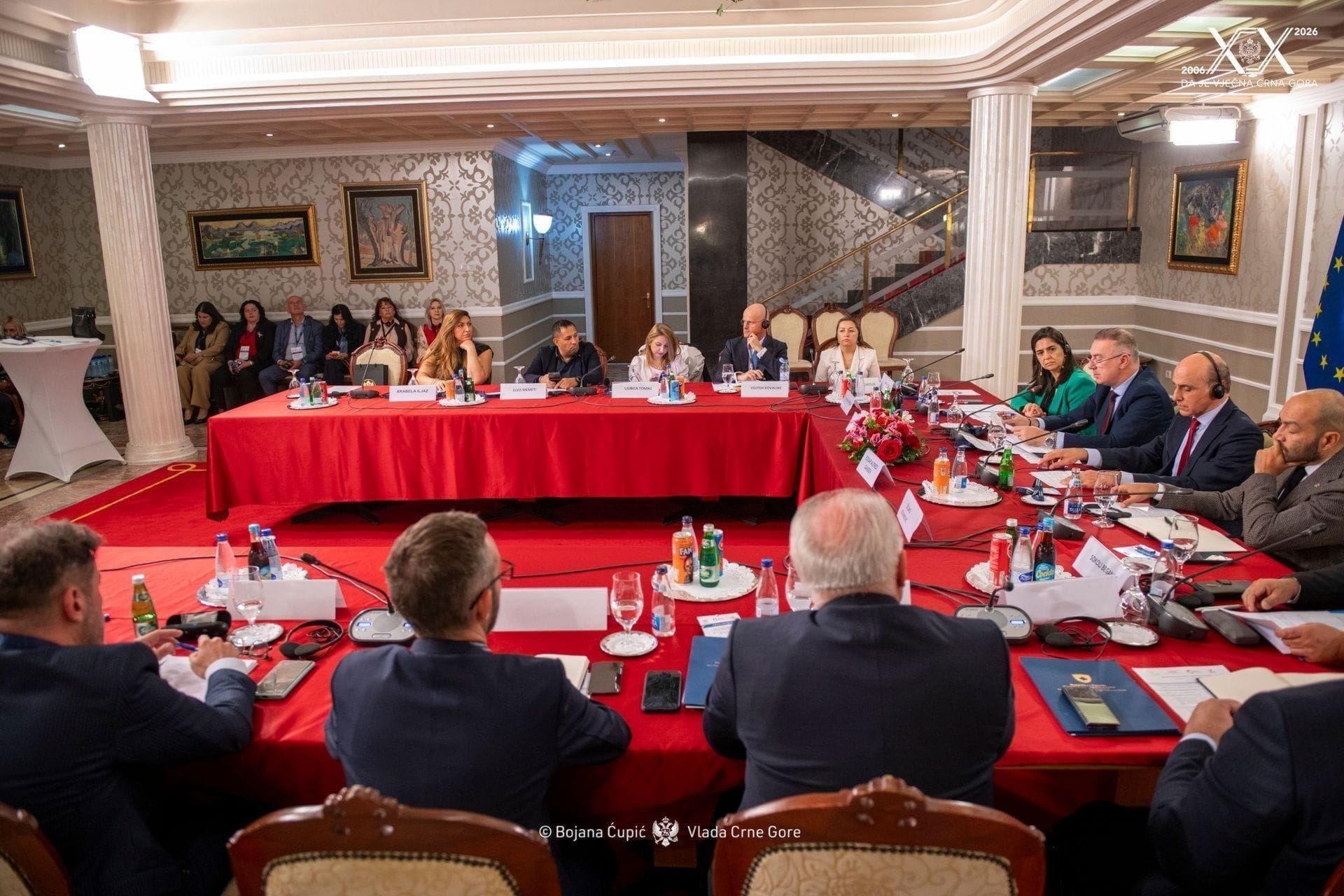
The Seventh Ministerial Meeting dedicated to the integration of Roma women and men in the European Union enlargement process, sponsored by the Ministry of Human and Minority Rights, as part of Montenegro’s chairmanship of the Berlin Process, took place in Podgorica earlier today.
“Montenegro is proud to be hosting this meeting for the second time, particularly as it is taking place within the framework of our chairmanship of the Berlin Process. The slogan of our chairmanship is ‘A Region in Motion. Taking Responsibility for Change,’” said Fatmir Gjeka, Minister of Human and Minority Rights, in his opening remarks.
According to the Minister, this message reflects the essence of our shared responsibility towards the Roma community.
“Progress has been made in the Western Balkans, although it cannot be considered separately from the challenges that remain. These challenges require more decisive action — from access to education and employment to housing and healthcare, as well as combating discrimination social exclusion and poverty,” Gjeka stated.
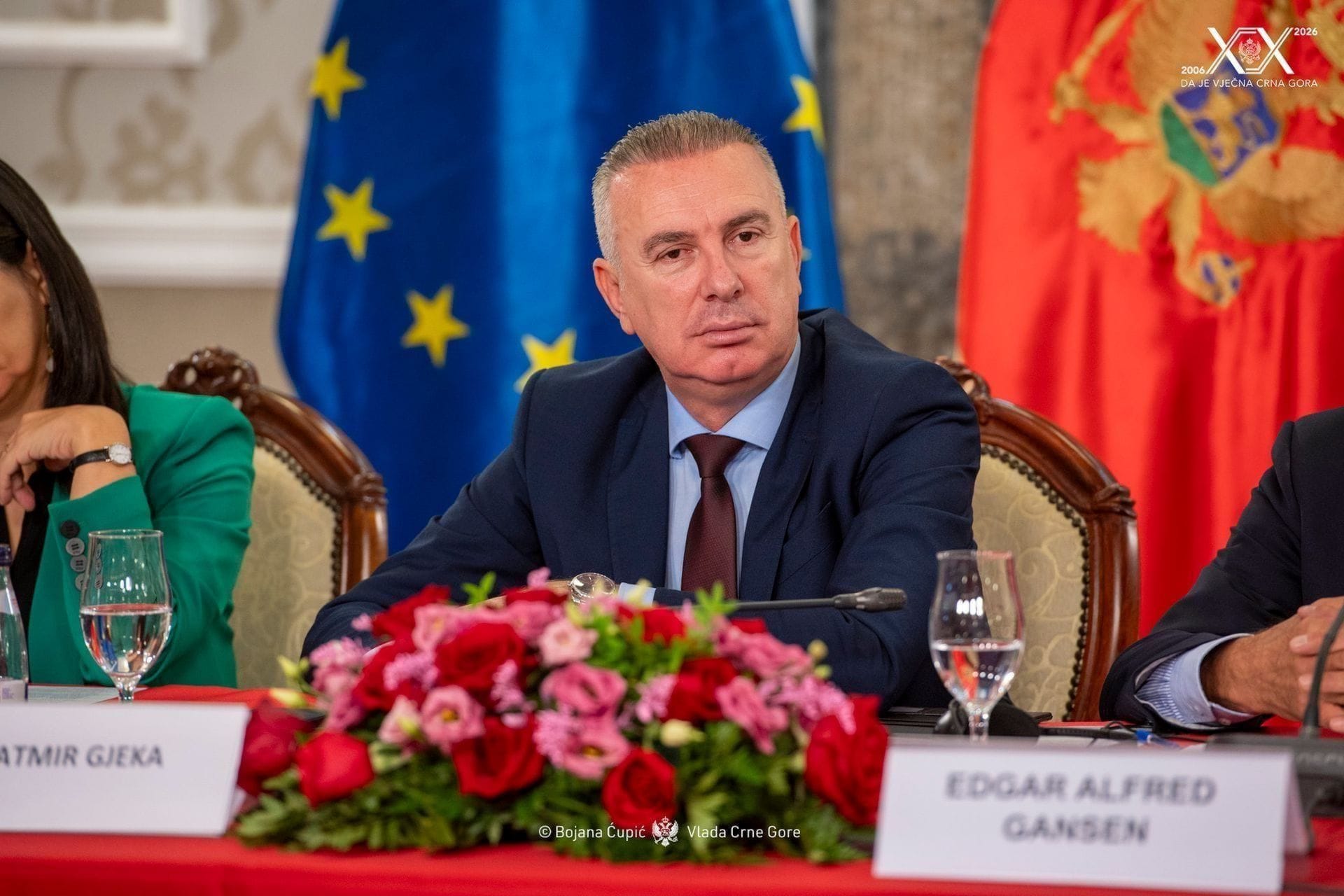
“That is why it is important today not to speak only about policies and strategies, but also about their implementation and the results that citizens can actually experience. Our shared ambition is to move from general commitments to concrete, measurable and sustainable measures,” Gjeka said.
The Poznan Commitments of the Western Balkans and the EU Roma Strategic Framework are aligned in their objectives: combating discrimination and antigypsyism, reducing inequalities, strengthening participation, and ensuring equal access to quality education, employment, healthcare and housing. Our shared task is to turn these commitments into tangible results, learn from one another and gradually advance integration in this area as well, said Ana Carla Pereira, Director for Equality and Non-Discrimination at the Directorate-General for Justice and Security.
“The commitments made under the Poznan Declaration will only be meaningful if governments demonstrate that they deliver results both for Roma people and for employers struggling to find workers. Increased funding means little if Roma people cannot access it. Governments must make vocational training available to people who have not completed their education, facilitate access to self-employment support and support businesses already run by Roma entrepreneurs.
“Success should not be measured by the number of people who enter programmes. It should be measured by how many secure stable employment or build sustainable businesses, how many are living better lives a year later, and whether local economies are gaining the skills they need,” said Željko Jovanović, President of the Roma Foundation for Europe.
The situation of Roma people is not merely a social issue; it is also a human rights issue. It also raises the question of what kind of Europe we want to live in. Germany advocates an inclusive and secure Europe that promotes respect for all groups and minorities living here, said Edgar Alfred Gansen, Ambassador of the Federal Republic of Germany.
The Roma issue has been part of the Berlin Process since 2019. We greatly appreciate Montenegro hosting this year’s ministerial meeting. Montenegro is chairing the Berlin Process, and allow me to add, more broadly, that we are impressed by the Montenegrin Government’s commitment to the Berlin Process in a year of particular significance for the country, Gansen stated.
Minister of Human and Minority Rights Fatmir Gjeka and Ana Carla Pereira, Director for Equality and Non-Discrimination at the Directorate-General for Justice and Security, also met to discuss the results achieved and the next steps in implementing the Poznan Declaration, adopted by Western Balkan leaders in 2019 with the aim of systematically improving the situation of the Roma community across the region.
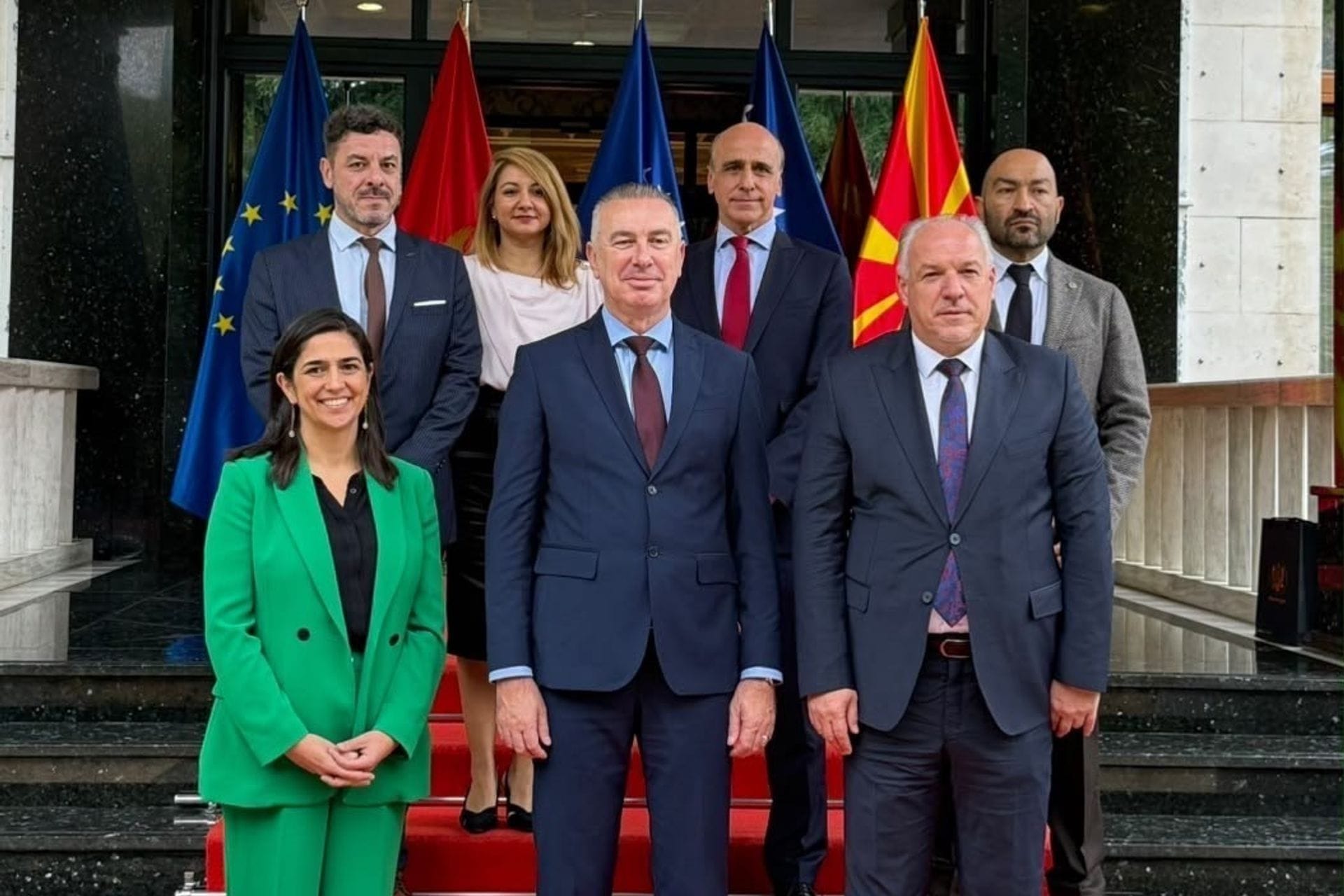
Representatives of ministries and partners from the region and the European Union reaffirmed their shared commitment to strengthening regional cooperation. They emphasised that Roma inclusion is not only a matter of fundamental human rights, but also represents significant economic and social potential for the entire Western Balkans.