
- Home
Ministry of European Affairs Significant Progress of Montenegro in Innovation, ...
Significant Progress of Montenegro in Innovation, Human Resources, Information Society and Social Policy


Montenegro has achieved significant progress in Chapters 2 – Free Movement of Workers, 10 – Information Society and Media, 19 – Social Policy and Employment, 25 – Science and Research, and 26 – Education and Culture. That good results are being recognised was confirmed by the provisional closure of Chapters 2 and 28 at yesterday’s Intergovernmental Conference in Luxembourg, as assessed at the 17th meeting of the Subcommittee on Innovation, Human Resources, Information Society and Social Policy held in Podgorica.
Representatives of Montenegrin institutions presented activities in the areas covered by the above-mentioned chapters to their counterparts from the European Commission.
On the Montenegrin side, the meeting was chaired by Anita Bilafer-Mihaljević, Head of the Subcommittee on Innovation, Human Resources, Social Policy and Information Society within the Stabilisation and Association Process structure and Head of the Negotiating Working Group for Chapter 19 – Social Policy and Employment.
She highlighted the importance of the provisional closure of Chapter 2 – Free Movement of Workers and congratulated all colleagues whose dedication and hard work made it possible.
“Since our last meeting, Montenegro has translated the Operational Conclusions into concrete results in all areas on today’s agenda: education, human resources, youth and culture; social policy and employment; free movement of workers; information society and media; and research and innovation. We have adopted key laws, strategies and action plans, strengthened our institutions, and deepened alignment with the EU acquis,” said Bilafer-Mihaljević.
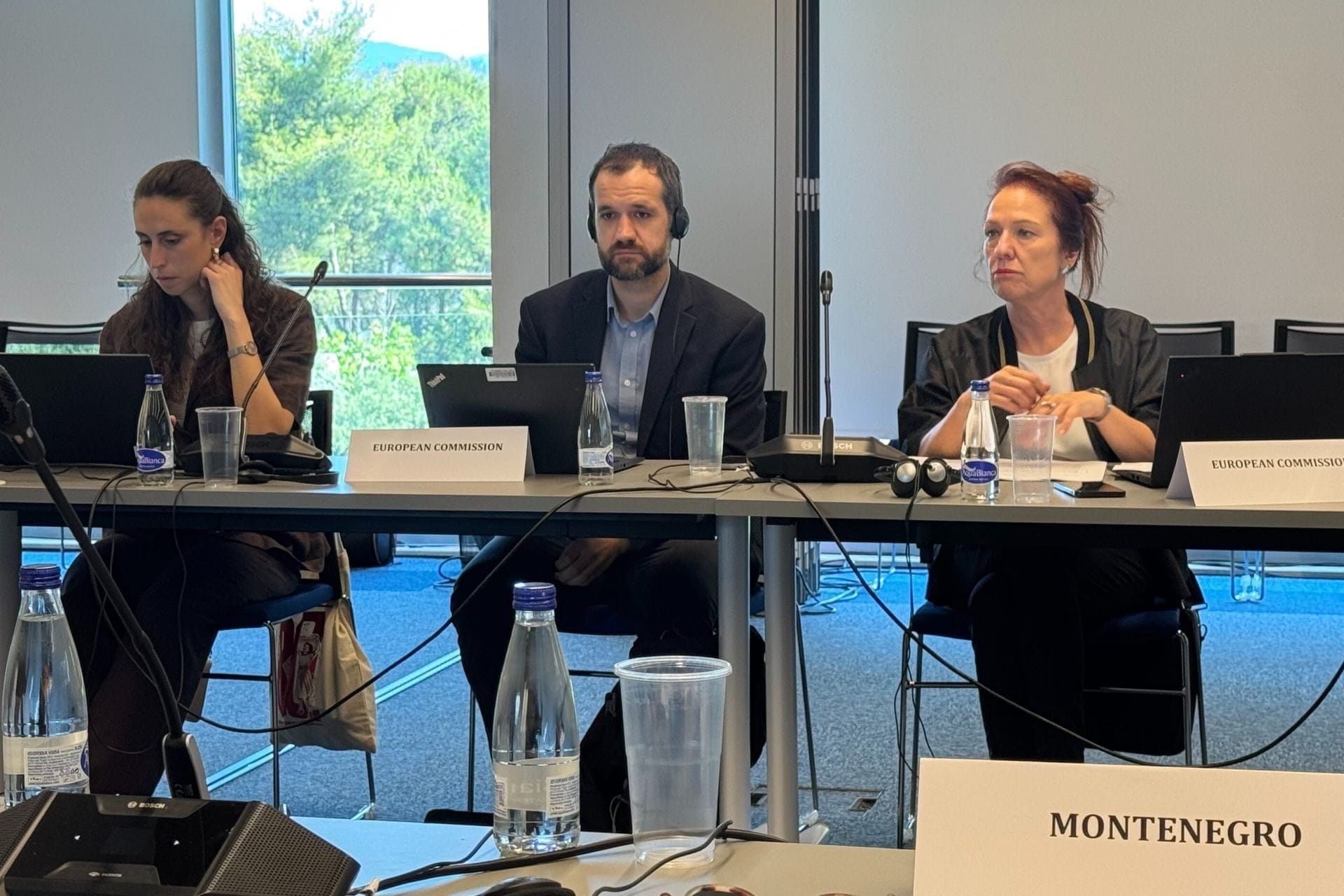
She thanked the EU for financial, technical and expert support through IPA, TAIEX and SOCIEUX+, as well as the European Training Foundation for its continuous assistance and expertise in the areas covered by this Subcommittee.
“Montenegro remains fully committed to achieving its EU accession roadmap. But our reforms have never been driven solely by the fulfilment of closing benchmarks. They are driven by our responsibility towards the citizens of Montenegro, who should benefit from every adopted law, every strengthened institution, and every step taken towards EU membership. Today’s Subcommittee is a valuable platform for maintaining that momentum and bringing us closer to full European integration,” she concluded.
Opening the Subcommittee meeting on the EU side, Hanke Fait, Deputy Head of Unit for Montenegro in the Directorate-General for Neighbourhood and Enlargement Negotiations, congratulated Montenegro on the significant progress achieved on its path towards EU membership, as well as on the provisional closure of negotiating chapters 2 and 28, which she said represents another success and increases the total number of provisionally closed chapters to 16.
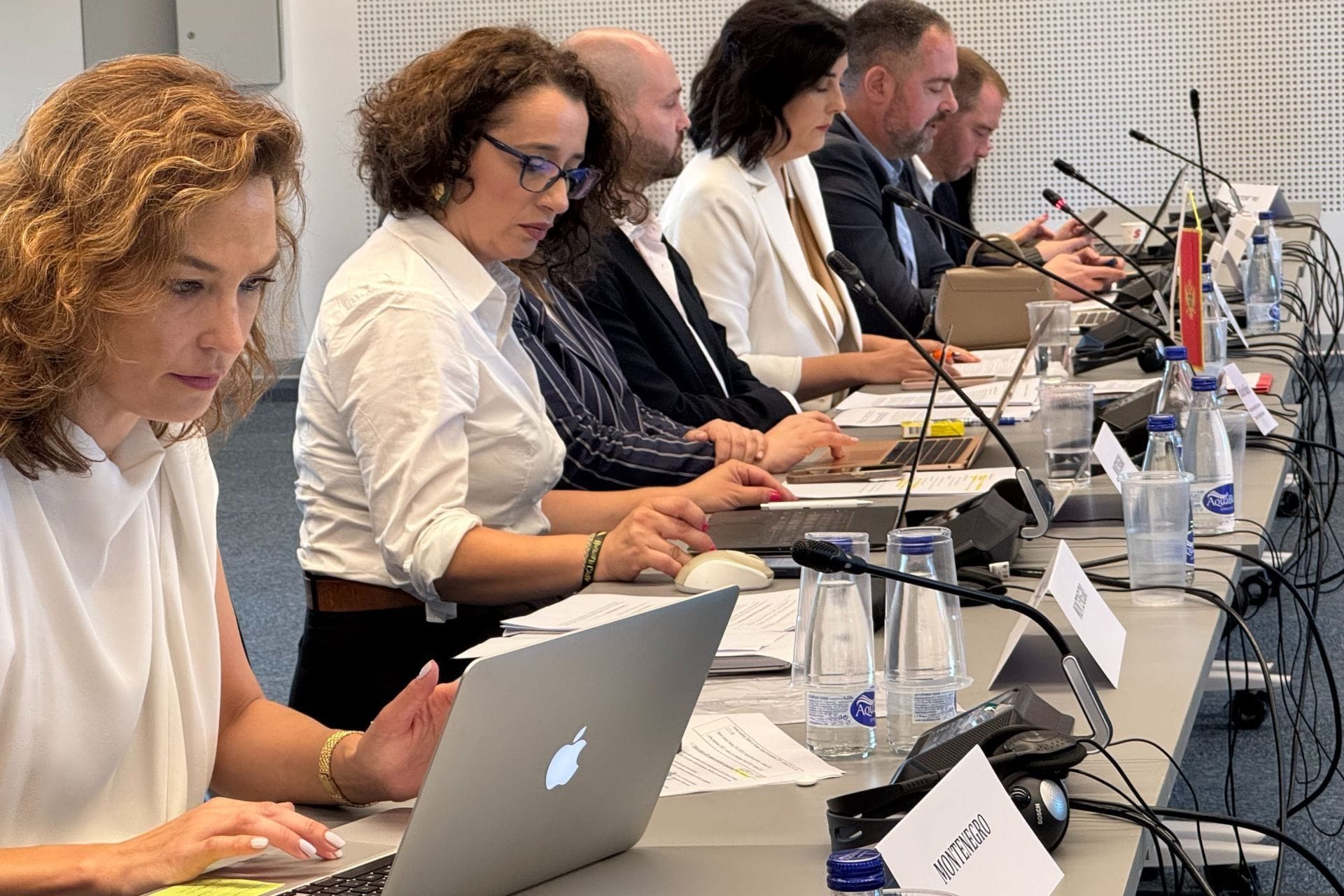
“This keeps Montenegro in its position as the most advanced country in the EU accession process,” Fait said.
She stated that the main objective of the meeting is the preparation and further progress needed for the provisional closure of Chapter 19 – Social Policy and Employment.
“We will address a range of issues that have a direct impact on the daily lives of citizens of Montenegro and their ability to shape their future – from childcare, education and pension systems, to seizing opportunities offered by the labour market through labour mobility. We will also discuss maintaining competitiveness through research and development, digitalisation, as well as strengthening resilience to cyber threats, which is of crucial importance in today’s circumstances. Special attention will also be given to the media, which must be independent, accessible and of high quality in order to enable citizens to make informed decisions in all areas of life,” Fait said.
Fait stressed that Montenegro remains the most advanced candidate country in the enlargement process, but that there is still significant work ahead in order to achieve the goal of provisionally closing the remaining negotiating chapters by the end of 2026.