

- Home
Ministry of Agriculture and Rural Development - IPARD Programme The Strength of Support, the Taste of Success: An ...
The Strength of Support, the Taste of Success: An Inspiring IPARD Success Story from an Olive Grove

Maslinjaci Baletić Ltd., owned by Balša Baletić, is an IPARD beneficiary and an excellent example of how olive growing in Montenegro is successfully expanding beyond the country's traditional coastal areas. Regions such as Zeta, Tuzi, and Podgorica have increasingly proven to be highly suitable for olive cultivation, particularly in recent years. This trend is demonstrated not only by large producers such as Plantaže, but also by a growing number of smaller family-run enterprises, among which the Baletić family farm stands out.
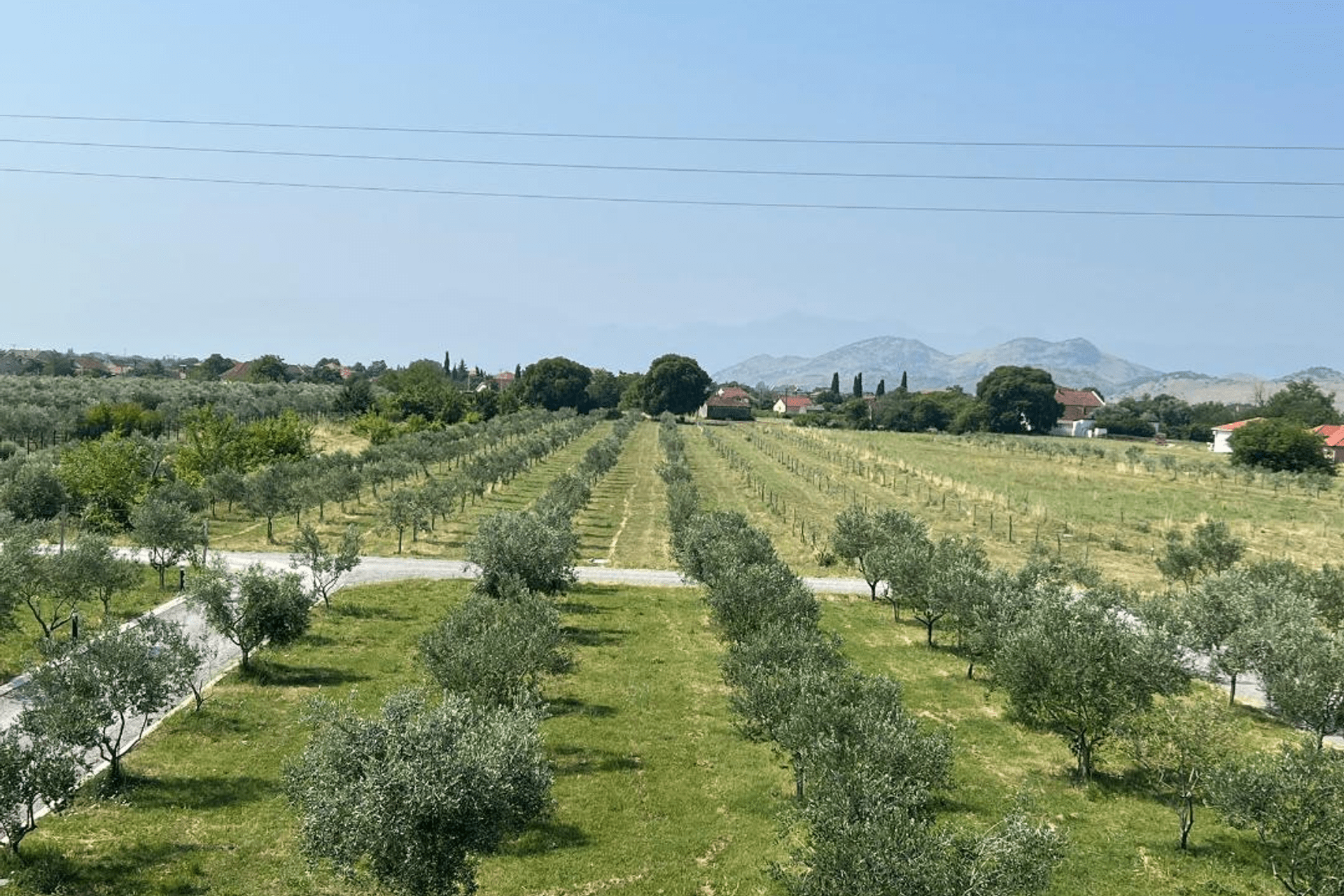
Balša Baletić, who divides his time between the United States, where he manages his own business, and Montenegro, where he has invested in developing the family estate, entered olive production with a clear vision.
"My first goal was to create a green oasis in this part of Zeta instead of allowing the land to become yet another area covered with concrete. Secondly, if I was going to plant olive trees, I wanted every key stage of production to remain in our own hands. In other words, the quality of our olive oil should depend solely on our knowledge, dedication, and investment, and be recognized by the market for exactly that."
For the Baletić family, olive oil production is not their primary source of income, but rather a complementary activity driven by their passion for agriculture and high-quality production. Their focus has never been on quantity, but on producing premium extra virgin olive oil.
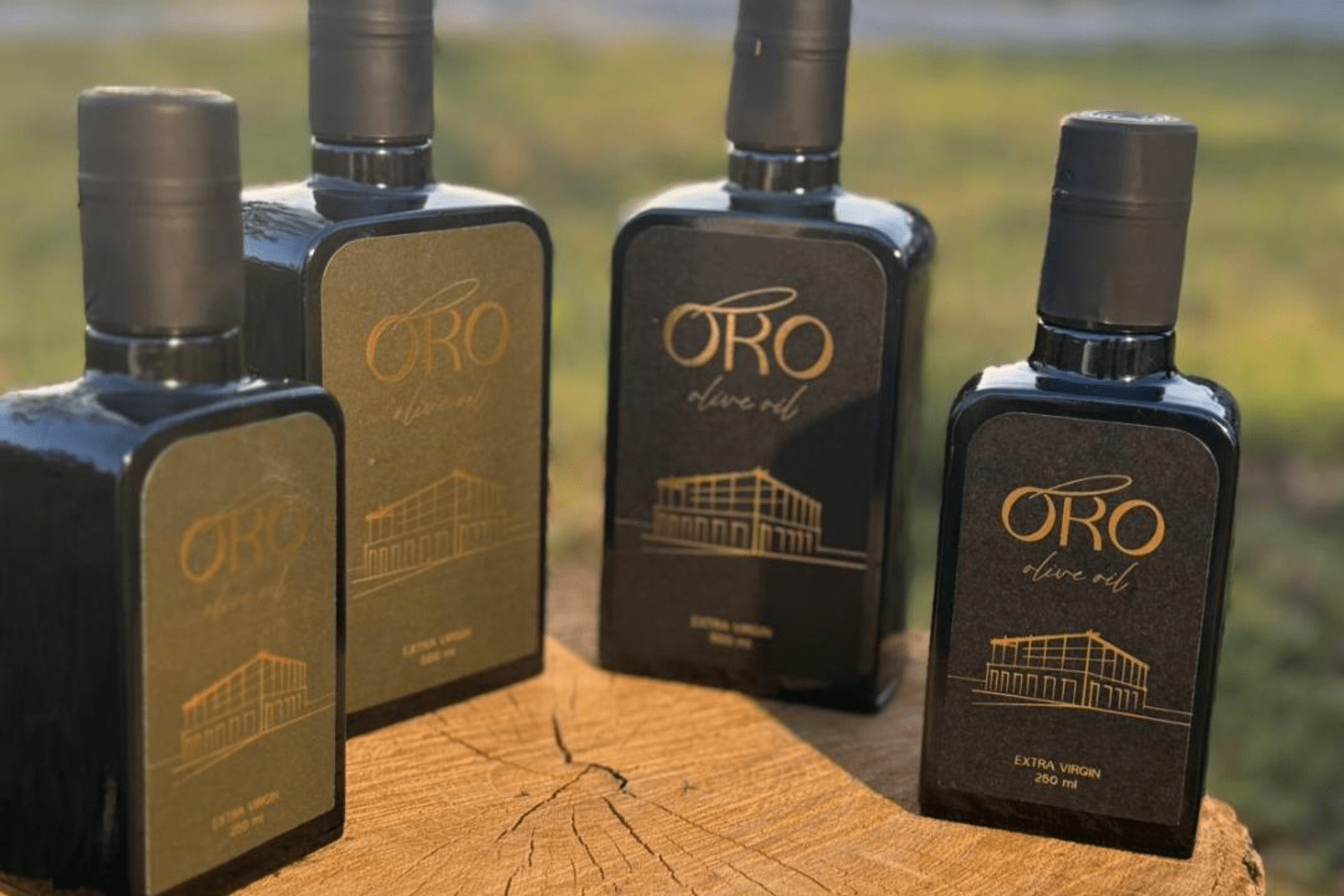
Under the Fourth Public Call of the IPARD II Programme, Maslinjaci Baletić Ltd. received financial support for the construction of an olive processing facility and the purchase of modern processing equipment. The total eligible investment amounted to EUR 910,469.01 (excluding VAT), while the IPARD grant totalled EUR 455,749.50.
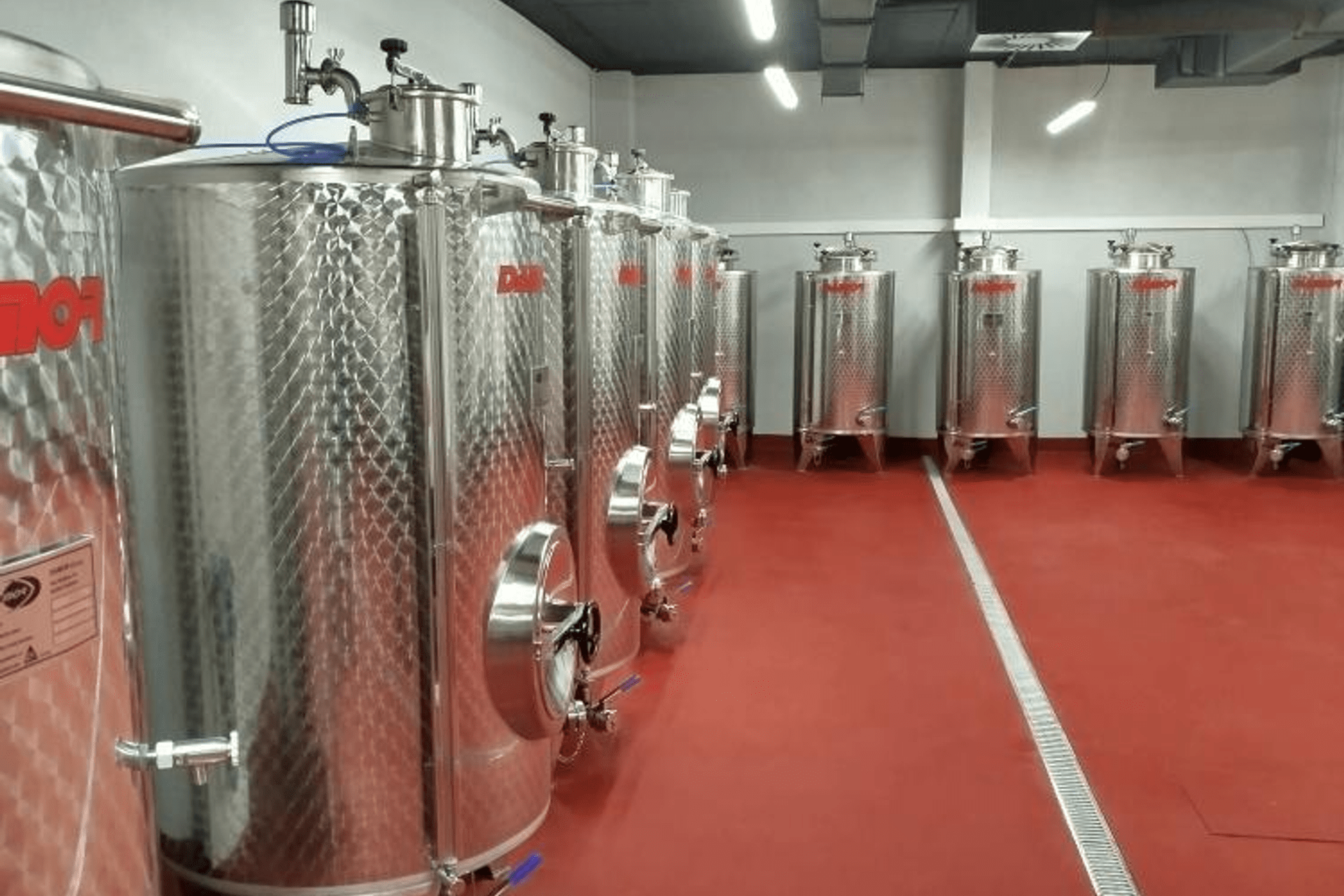
Thanks to this investment, the family established a modern olive mill equipped with state-of-the-art cold-press technology. Today, the entire production process—from harvesting the olives to processing and storing the finished extra virgin olive oil—can be completed within just a few hours. The oil is stored in stainless steel tanks, ensuring that its freshness, quality, and nutritional value are preserved.
Baletić emphasizes that the quality of olive oil depends on several factors, including the harvest season, weather conditions, and, above all, the production process itself. Even the finest olives, he notes, cannot produce exceptional oil without the necessary expertise and proper processing methods.
"We are extremely grateful for the support provided through the IPARD Programme. Thanks to this funding, we have been able to raise our production to an entirely new level. I would encourage everyone in Montenegro who has an idea and the ambition to improve their agricultural production to apply for future IPARD calls and make the most of this opportunity. It is truly valuable support that can make a significant difference."
This success story demonstrates that, with a clear vision, professional expertise, and the right financial support through the IPARD Programme, olive growing in the continental part of Montenegro has not only considerable potential but also a very promising future.