
- Home
Ibrahimović in Sarajevo: Regional cooperation and ...
Ibrahimović in Sarajevo: Regional cooperation and European integration are the key to shared prosperity

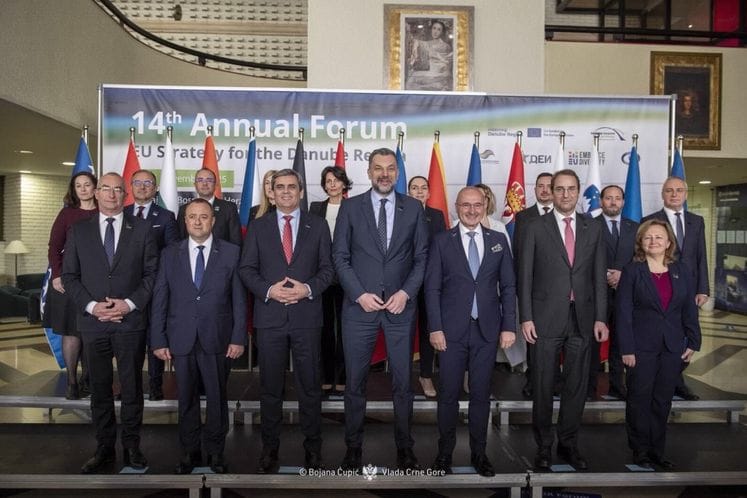
Deputy Prime Minister and Minister of Foreign Affairs Ervin Ibrahimović participated in the Meeting of Ministers of Foreign Affairs within the EU Strategy for the Danube Region (EUSDR) in Sarajevo.
In his address to the ministerial meeting, Ibrahimović emphasized that the EU Strategy for the Danube Region represents an exceptional framework that brings together countries around shared goals – enhancing connectivity, protecting the environment, strengthening innovation, and fostering social cohesion. He highlighted that, for Montenegro, participation in this Strategy holds particular importance, as it contributes to European cooperation, knowledge exchange, and stronger regional ties in areas such as sustainability, energy, mobility, and climate resilience. Ibrahimović underlined that lasting progress and prosperity in the Danube region can only be achieved through dialogue, trust, and concrete joint projects.
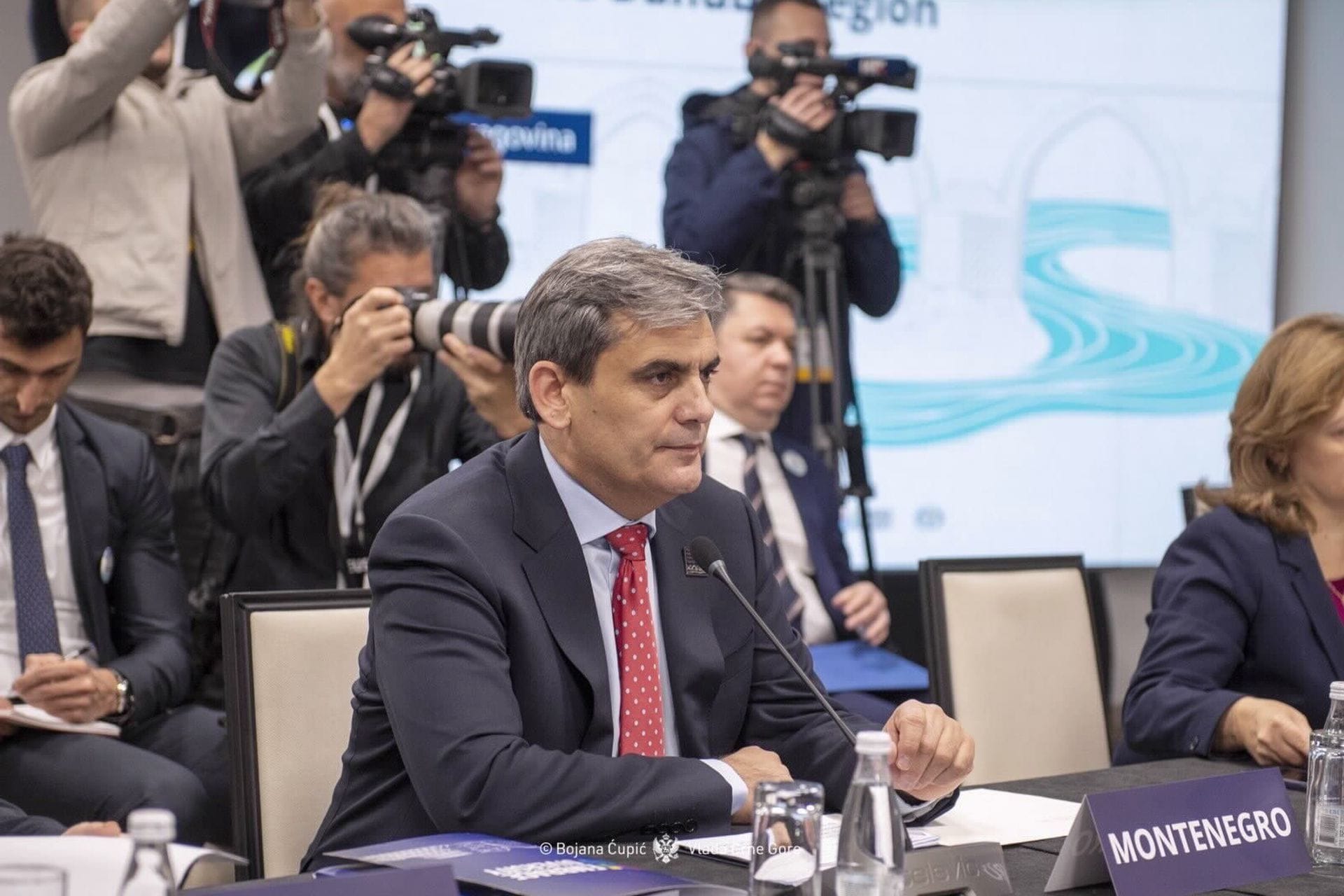
Addressing current challenges, Ibrahimović underlined the need for coordinated and humane approaches to migration management, as well as for a joint response to security and economic threats that transcend national borders.
He welcomed the Council of the European Union conclusions of 16 September, which reaffirm the importance of EU macro-regional strategies as key instruments of cohesion and sustainable development. Ibrahimović also supported ongoing efforts to strengthen complementarity between the Danube Strategy and other regional and macro-regional frameworks.
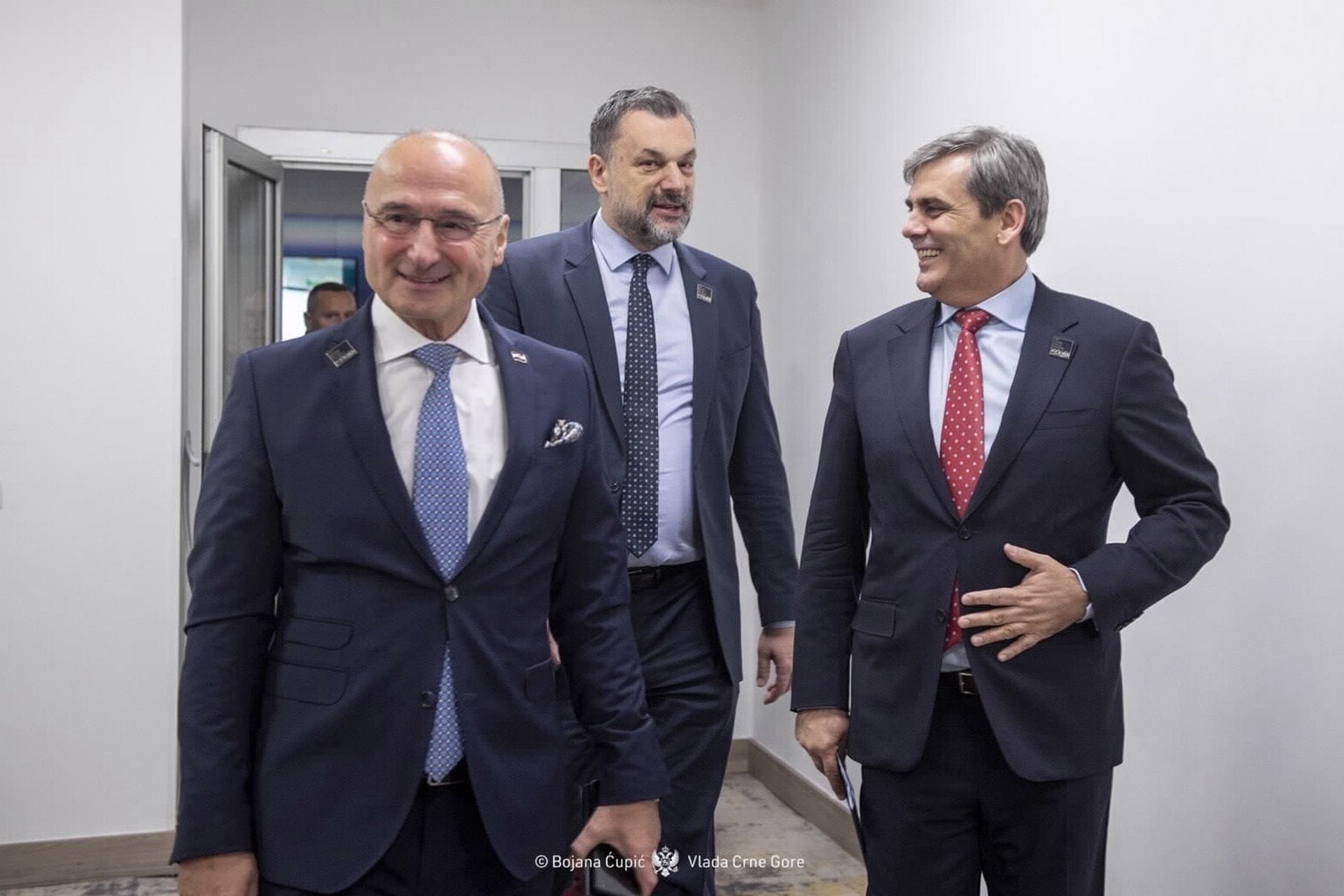
During his visit to Sarajevo, Ibrahimović met with Secretary General of the Regional Cooperation Council (RCC) Amer Kapetanović. He conveyed Montenegro’s strong commitment to regional and good-neighbourly cooperation as one of the main foreign policy priorities of the country.
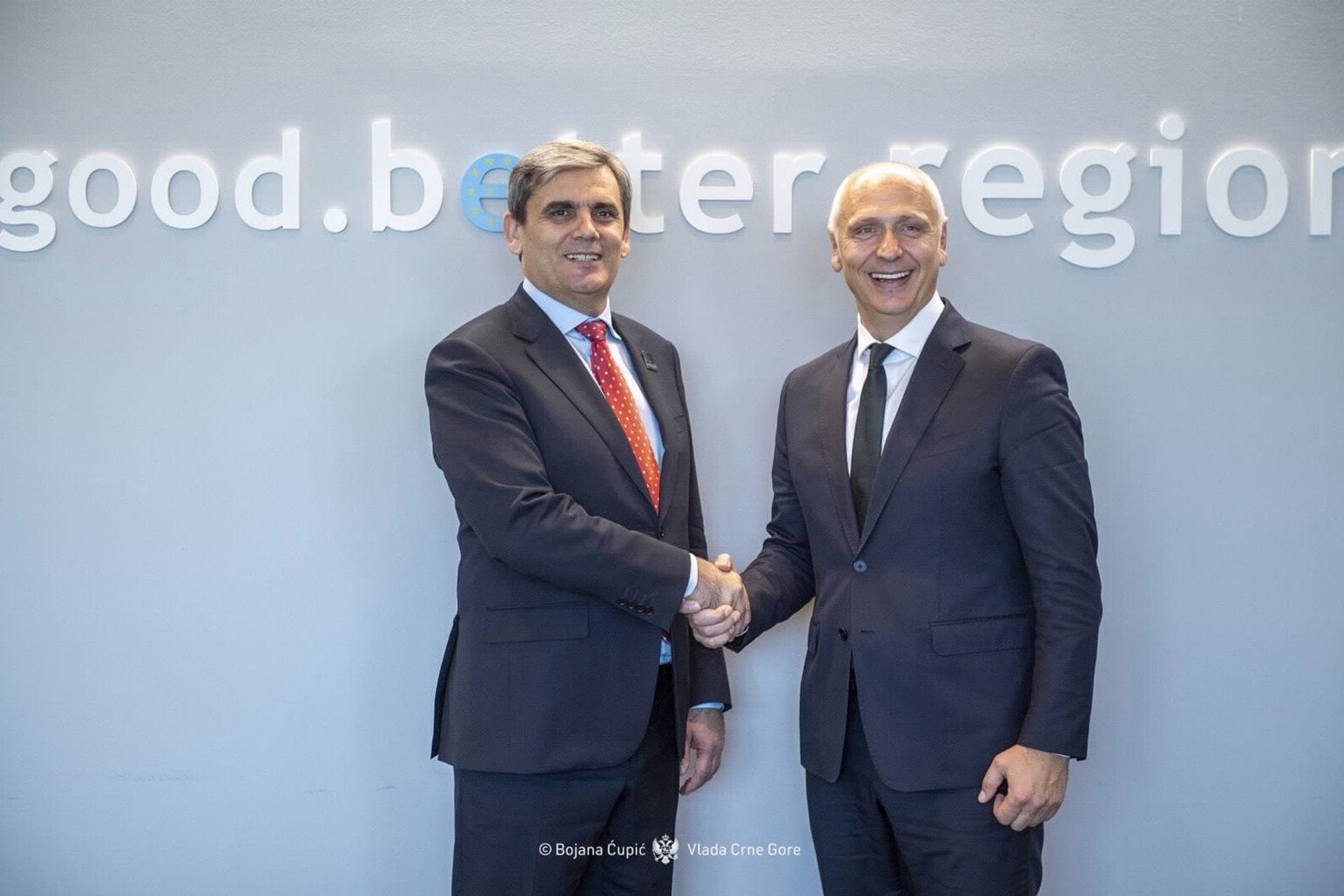
Secretary General Kapetanović congratulated Montenegro on the excellent European Commission 2025 Progress Report, noting that it serves as encouragement not only for Montenegro but for the entire region. He also congratulated Montenegro on taking over several important regional presidencies, emphasizing that this reaffirms the country’s dedication to regional cooperation and its constructive role in joint initiatives.
As underlined during the meetings, the Regional Cooperation Council (RCC) – through its support to the Berlin Process and the South-East European Cooperation Process (SEECP) – plays a key role in guiding reform processes in the region. As the frontrunner in EU integration, Montenegro remains a vital partner on this path.
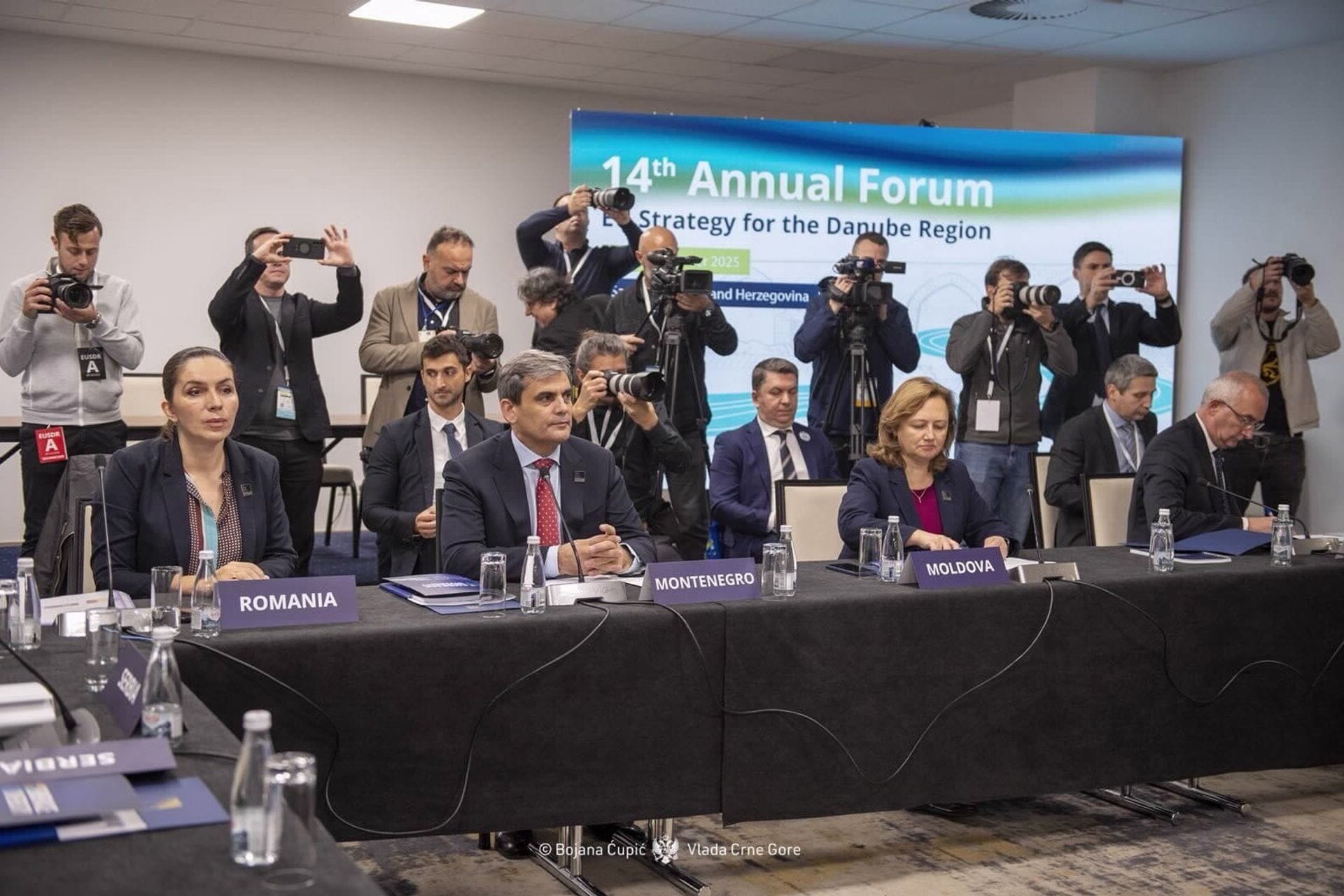
Ibrahimović stressed that Montenegro’s commitment to European integration and good-neighbourly relations – which form the foundation of regional stability and prosperity – has once again been confirmed by the latest European Commission Progress Report.
He announced that during 2026, marking 20 years since the restoration of independence, Montenegro will host the EU–Western Balkans Summit and preside over the Berlin Process, the Western Balkans Fund, and the Committee of Ministers of the Council of Europe – a clear confirmation of Montenegro’s constructive role internationally and its unwavering European path.